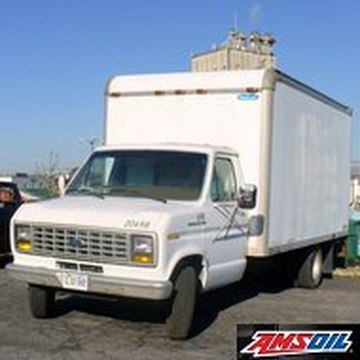
Engine Lubrication and Maintenance for the 1982 Ford Trucks E350 VAN 6.6L
Maintaining a large-displacement engine requires consistent attention to lubrication quality and system integrity. For owners of a 1982 Ford Trucks E350 VAN equipped with the 6.6L engine, routine service is the most effective way to manage the mechanical needs of a heavy-duty vehicle. Because these vehicles are often utilized for significant hauling or long-distance transport, the engine oil serves as a primary line of defense against internal wear and heat-related stress.
Monitoring Fluid Condition and Potential Leaks
A proactive approach to maintenance involves regular visual inspections of the engine bay and undercarriage. When managing an older vehicle, it is useful to look for signs of fluid seepage or active leaks. Rather than assuming a specific component has failed, owners should observe the areas around various gaskets and seals for any evidence of oil presence. If you notice fresh oil accumulating on the engine block or dripping onto the ground after the vehicle has been parked, this warrants further investigation.
Beyond looking for external leaks, checking the condition of the lubricant itself can provide insight into engine health. When performing a routine check, examine the color and consistency of the oil on the dipstick. While oil naturally darkens over time due to use, extremely thick or gritty textures may indicate that the service interval has been exceeded or that there is significant contamination within the system. Additionally, any unusual odors or changes in how the engine sounds during operation should be noted, as these can sometimes be associated with lubrication issues.
Managing Maintenance Records and Service History
For long-term ownership of a 1982 Ford Trucks E350 VAN, establishing a clear maintenance baseline is highly beneficial. If you have recently acquired this vehicle, reviewing any available service records can help you understand the previous care it received. Knowing when the oil was last changed, which filters were used, and if any major repairs were performed allows for more informed decision-making moving forward.
If documentation is incomplete, a practical strategy is to begin a new, detailed log of all service activities. Recording the dates, mileage, and specific products used—such as the type of oil and filter—helps identify patterns in maintenance needs. This history becomes particularly valuable when assessing how the engine responds to different lubricants or when determining if certain components are showing signs of age-related wear. Consistent record-keeping transforms guesswork into a data-driven approach to vehicle longevity.
Observing Potential Warning Signs
While many lubrication issues can be caught during routine inspections, some symptoms may manifest more suddenly. It is important to recognize that various mechanical or electrical issues can produce similar signs, so any new symptom should be treated as a prompt for professional diagnosis rather than an immediate conclusion of a specific part failure.
- Changes in Oil Consumption: If you find yourself needing to add oil more frequently than in the past, monitor this closely. While some consumption is expected in older engines, a sudden increase may indicate a change in the engine's internal state.
- Visual Indicators: Keep an eye on dashboard warning lights or indicators that relate to the lubrication system. If such a light illuminates, it requires immediate attention to prevent potential damage.
- Exhaust Observations: While exhaust color can be influenced by many factors, certain types of smoke may be associated with how the engine is managing its lubricant.
- Mechanical Noise: Any new or persistent knocking or tapping sounds during startup or operation should be investigated to ensure all moving parts are receiving adequate lubrication.
Prioritizing Service Tasks as the Vehicle Ages
As a vehicle from 1982 continues to operate, maintenance priorities may shift from strictly following a schedule to responding to the actual condition of the components. Rather than replacing parts based solely on their age, an effective strategy is to prioritize tasks based on observed wear and current operational needs.
Start by addressing any active leaks or visible signs of component deterioration. For example, if you notice that accessible belts (if equipped) are showing signs of cracking, glazing, or fraying, these should be inspected closely. Similarly, checking the condition of hoses and electrical connections can prevent secondary issues from arising. By focusing on the most pressing mechanical needs first—such as maintaining proper fluid levels and addressing visible seepage—you can manage the maintenance of a 6.6L engine more efficiently.
Distinguishing between necessary preventive maintenance and unnecessary parts replacement is key to responsible ownership. A well-maintained vehicle often requires fewer reactive repairs if the owner remains observant of small changes in how the engine performs, sounds, or looks during routine service intervals.
Selecting Lubricants for Engine Protection
The choice of engine oil plays a significant role in managing heat and reducing friction within the 6.6L engine. When selecting a product, consider the different formulations available on the market. Conventional oils are widely used, but synthetic and synthetic-blend options offer different chemical properties that may be beneficial depending on your specific driving needs.
Some high-mileage oil formulations contain additives intended for use in aging engines. These products often include seal-conditioning additives designed to help maintain the integrity of various gaskets and seals. While these are not a substitute for repairing active leaks, they can be a consideration for owners managing an older engine with minor seepage. Furthermore, ensuring that any lubricant you choose meets the appropriate API certification is essential for verifying that it provides the necessary protection against oxidation and deposit formation.
Buying Engine Oil for your 1982 Ford Trucks E350 VAN 6.6L
When you are ready to purchase new lubricant, do not rely on general automotive knowledge or assumptions based on the vehicle's age to determine the correct grade. To ensure the engine receives the proper protection, match the engine oil to the application-specific viscosity information already displayed on this webpage. Always check the product labeling carefully before completing your purchase to confirm that the oil meets the necessary specifications for your specific 6.6L engine. Whether you choose a conventional, synthetic blend, or high-mileage formulation, the most critical factor is adhering to the viscosity and application details provided in the technical data above.